What If You Could Pause Before You React? Today I had one of those moments where I caught myself doing something I’m actively working on changing.
Someone did something that has bothered me for a long time. I felt that familiar irritation rise up in my body, and before I had much time to think, I responded more abruptly than I intended.
And afterward, I felt bad.
Not necessarily because I was wrong about what I was asking for—but because I didn’t like the way I delivered it.
I’ve been thinking about that moment ever since.
Because I believe one of the deepest parts of emotional growth is learning that we can be right about something and still want to learn how to respond differently.
That’s a powerful distinction.
Emotional growth isn’t about never being triggered. It’s not about becoming the person who never gets irritated or always knows exactly what to say.
That’s not real life.
We are human beings with nervous systems, histories, sensitivities and patterns that have been shaped over many years.
Sometimes something happens and our reaction comes before our conscious mind has had a chance to catch up.
The irritation rises.
Our body tightens.
Our heart rate changes.
Our voice gets sharper.
The words come out.
And then we think:
“That wasn’t how I wanted to handle that.”
I’ve been there.
More than once.
Just today.
And I’ve come to believe what I need here is space.
Space between what happens and how we respond.
The Pause Is Where Our Freedom Lives. When we’re activated, we often move into familiar patterns.
We defend.
We explain.
We correct.
We shut down.
We attack.
We try to control the outcome.
We make someone else wrong so that we can feel right.
These responses aren’t necessarily signs that we’re bad people. Often, they’re protective strategies that developed because, at some point in our lives, they helped us feel safer.
But what once protected us may not be serving us anymore.
The work is learning to recognize when we’re moving into an old pattern—and creating enough space to choose something different.
What happens when we learn to notice the moment our nervous system begins to activate?
What happens when we can pause long enough to say:
“Oh. I’m getting triggered.”
Instead of immediately reacting, we can breathe.
We can soften our jaw. Feel our feet on the ground and notice what’s happening inside of us.
And then we can ask:
“How do I want to show up here?”
That question can change everything.
Responding Doesn’t Mean Becoming Passive. I think this is where many people get confused about emotional regulation.
They hear words like calm or regulated and assume it means they should never be upset.
Or they believe that if they’re working on themselves, they shouldn’t have boundaries.
But becoming emotionally safe doesn’t mean becoming passive.
It doesn’t mean allowing people to cross your boundaries.
It doesn’t mean swallowing your feelings or pretending everything is fine. You can still speak up and you can still have boundaries.
You can still say no. You can still tell the truth and…You can still be deeply uncomfortable with someone’s behavior.
The difference is that you begin to separate your boundary from your reactivity.
You can say:
“I’d like to finish what I was saying.”
Instead of:
“You always interrupt me.”
You can say:
“I’d like to hear what she thinks.”
Instead of:
“You don’t need to answer for everyone.”
You can say:
“That doesn’t work for me.”
Instead of launching into an explanation about why the other person is wrong.
The boundary remains.
But the nervous system isn’t driving the car.
You Don’t Have to Be Less of Yourself to Become More Regulated. This is something I wish more people understood.
Emotional regulation isn’t about becoming smaller or endlessly agreeable.
It’s not about being the “good” woman who never makes anyone uncomfortable or suppressing anger so you can appear peaceful.
In fact, sometimes regulation gives you the ability to be more honest.
You don’t have to over-explain, convince or prove.
You don’t have to make someone understand your perspective before you can feel okay.
You can speak your truth and allow someone else to have their reaction.
That is a very different kind of strength.
What Happens When You React Anyway? The truth is, sometimes you’ll still snap.
Sometimes you’ll say something too sharply and get defensive just like I did today.
Sometimes you’ll respond from an old wound before you even realize you’re activated.
And when that happens, you have a choice.
You can double down.
Or you can pause and say:
“That didn’t come out the way I wanted it to,” and take responsibility for your part without taking responsibility for someone else’s.
And perhaps most importantly, you can offer yourself compassion while you learn.
Because self-awareness should not become another weapon we use against ourselves.
The goal isn’t to become someone who never reacts.
Instead, maybe you catch yourself after the words have come out.
Then, over time, you catch yourself while you’re speaking.
Eventually, you may notice the tension in your body before you say anything at all.
That’s progress.
The Moment Before the Reaction. I’ve been thinking a lot about the space that exists between a trigger and a response.
That tiny moment is where our power lives.
It’s where we can ask:
What am I feeling?
What is happening in my body?
What story am I telling myself?
Am I responding to what’s happening right now, or am I responding to something I’ve experienced before?
What do I actually need?
How do I want to show up?
We don’t always have to respond immediately.
“Let me think about that.”
“I need a moment.”
“I’d like to come back to this conversation later.”
These can be some of the most emotionally mature words we learn to say.
This Is the Work. I’ve been exploring these themes more deeply in my own life and in my conversations with women.
How do we become emotionally safer?
How do we stop abandoning ourselves in relationships?
How do we recognize when our nervous system is activated?
How do we set boundaries without becoming defensive?
How do we repair when we don’t get it right?
These are not questions we answer once.
They are practices we return to again and again.
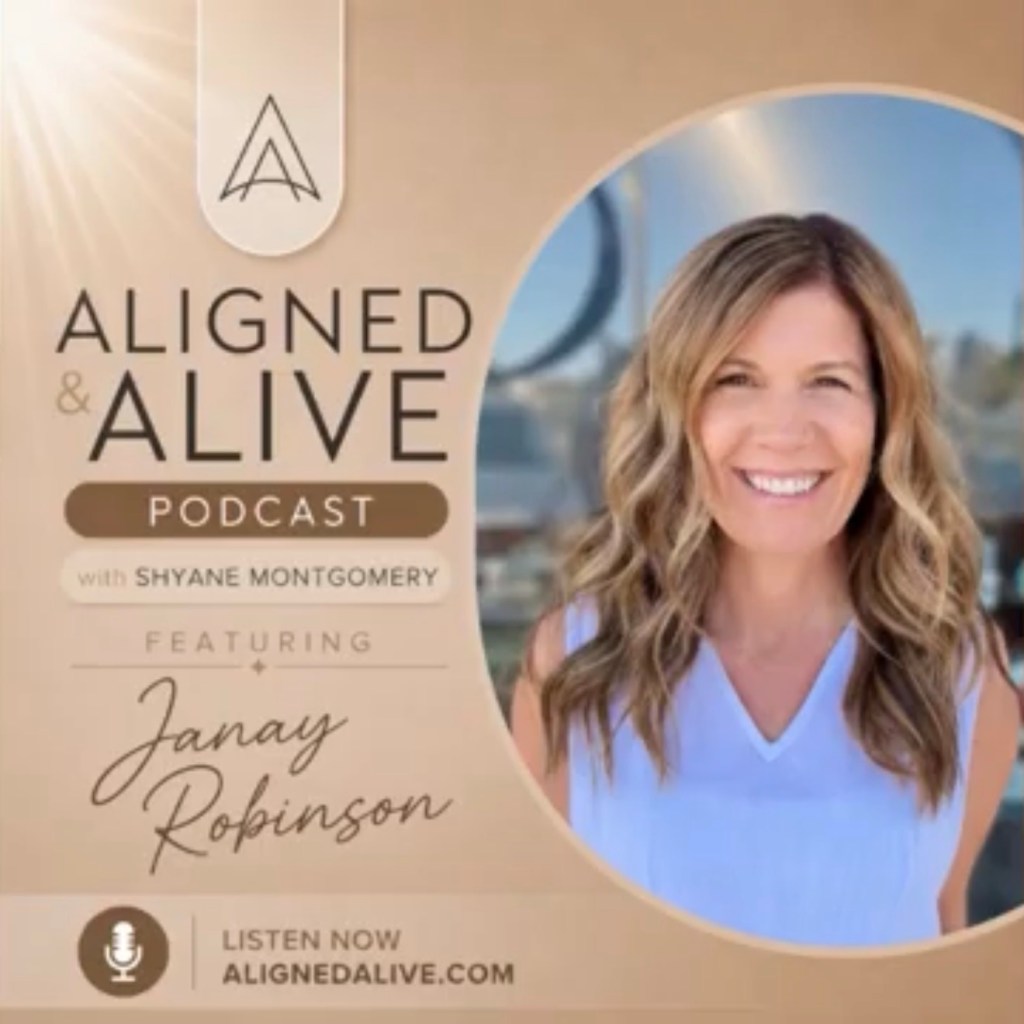
Recently, I had the opportunity to explore many of these ideas in a conversation with Shyane Montgomery on her Aligned & Alive podcast.
We talked about the deeper work of coming home to yourself, understanding your story, and what it means to become more aligned and alive from the inside out.
[Watch my conversation with Shyane Montgomery on YouTube →(HERE)
And if you’re working on becoming less reactive, less defensive, or more emotionally grounded, I hope you’ll remember this:
You don’t have to get it perfect. You just have to become willing to notice.
Notice when your body tightens.
Your voice changes.
You feel the urge to defend, correct, control or withdraw.
Notice the moment before the reaction.
That moment is an invitation.
An invitation to pause and breathe.
And when you don’t get it right?
You can always come back.
You can repair and choose differently next time.
That’s the work. And perhaps the most beautiful part is this:
Every time you pause instead of reacting and repair after you’ve missed the mark, you’re teaching your nervous system something new.
You are safe enough to choose. And that is where real change begins.
Namaste,
Janay-

